


We’ve all been there – hours lost in a sea of mobile games, tapping, swiping, and rolling our way through endless levels and challenges. But what makes some games truly addictive, while others fade into the background? It’s not just about complexity or length; research suggests that the key lies in something much more subtle.
It turns out that the format of a game can be just as important as its substance. Games that break challenges into bite-sized, manageable pieces – think puzzle games or hyper-casual titles – tend to be more engaging and easier to come back to after a break. This is precisely what makes games like Candy Crush Saga so compelling: each level is a self-contained challenge that can be completed in a few minutes, often with a sense of urgency or competition driving players forward.
Take, for example, the popular mobile game “Candy Crush Saga.” The game’s designers have carefully crafted a system that encourages players to return again and again, each time hoping to beat their previous score or complete a difficult level. It’s a masterclass in game design, and one that has captivated millions of players around the world.
Social proof is another key element in making a game addictive. When we see our friends or peers performing well in a game, it can motivate us to try harder and compete with them. Games that incorporate social features, such as leaderboards or multiplayer modes, tend to be more compelling than those that don’t. Take, for example, games like Clash of Clans or Mobile Legends, which both incorporate social features that encourage users to interact with one another and collaborate on goals.
For some players, the social aspect of gaming is a major draw. Whether it’s competing with friends or joining a community of like-minded players, social proof can be a powerful motivator. And with the rise of social media, it’s easier than ever to connect with other players and share our gaming experiences with the world.
Variable rewards are a common feature in many addictive games. This involves randomly rewarding players with items or currency for completing certain tasks or achieving specific goals. By keeping players on edge and wondering when the next reward will come, variable rewards create a sense of anticipation and excitement that can make a game feel more engaging and dynamic. A good example of variable rewards in action can be seen in games like loot boxes or slots, which use a system of random rewards to keep players coming back for more.
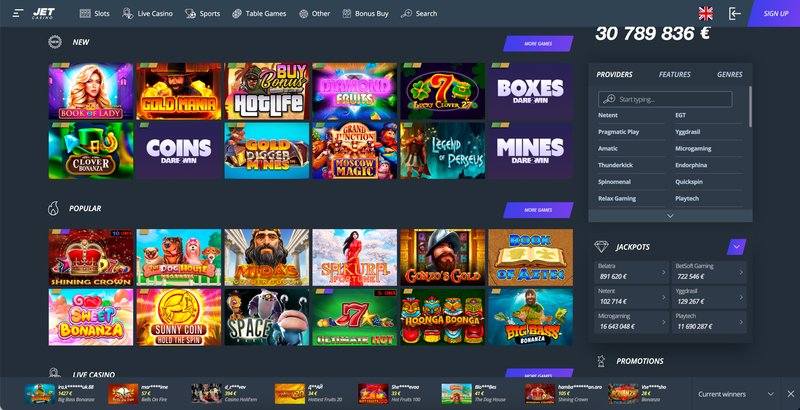
Of course, not all addictive games rely on variable rewards, but they are a common feature in many modern mobile games. Some players may find themselves checking their accounts constantly, waiting for the next reward or trying to beat their previous score. This is why some players often combine mobile gaming with online gambling, as they look for a way to enhance their experience. For example, if you’re a fan of games like Jettbet, you may find that combining your love of online gaming with mobile gaming adds a whole new level of excitement to your experience.
While it may be tempting to chase the thrill of an addictive game, it’s worth remembering that excessive mobile gaming can have negative consequences for our mental and physical health. With the rise of mobile gaming, we’re seeing an increasing number of cases of “nomophobia,” or the fear of being without our phones. This can lead to feelings of anxiety, depression, and even sleep problems. Moderation is key when it comes to mobile gaming, and it’s essential to find a balance between play and other aspects of our lives.


Bir yanıt yazın